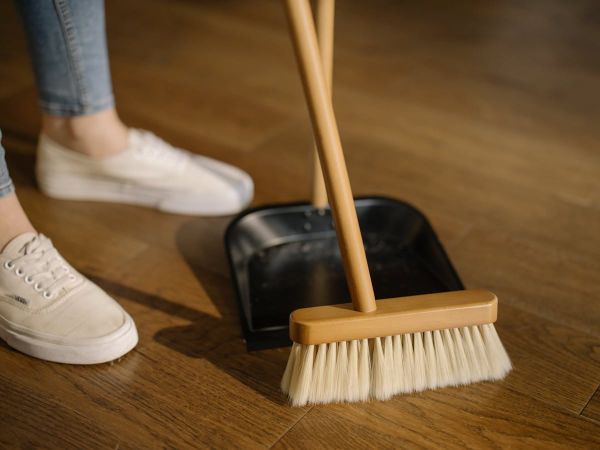
Low‑Tox Home With Pets: Cleaning, Air Fresheners, and Common Hazards
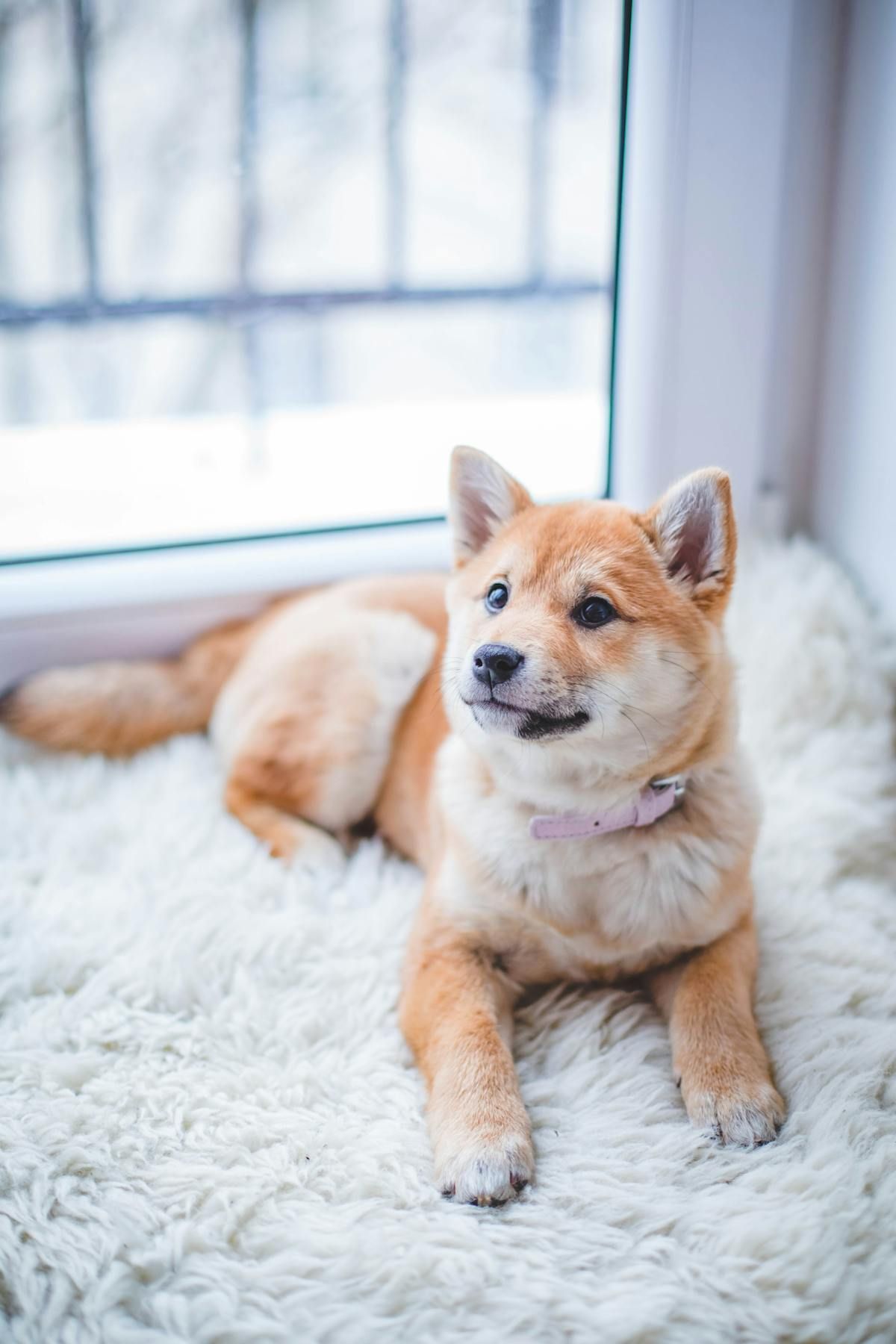
Living with pets is one of the best parts of home — but it also changes what “low‑tox” looks like. The goal isn’t perfection. It’s reducing the stuff that can irritate noses, paws, and lungs while still keeping your place genuinely clean.
When we first tried to “clean everything up”, we made the classic mistake: we swapped harsh chemicals for heavily scented “natural” products. Our pets hated it. The fix was simpler: less fragrance, better ventilation, and a small set of boring, reliable tools.
One more thing that helped: treating pet mess as a systems problem. If you make it easy to clean (wipes in one spot, vacuum accessible, laundry routine), you end up using fewer products overall.
Most homes don’t need 10 specialised sprays. They need fewer triggers and better habits. These tend to matter most:
If you only change one thing this week: remove the constant fragrance (plugins, sprays) and focus on airflow + wiping + vacuuming. That combo does more than most “pet deodoriser” products.
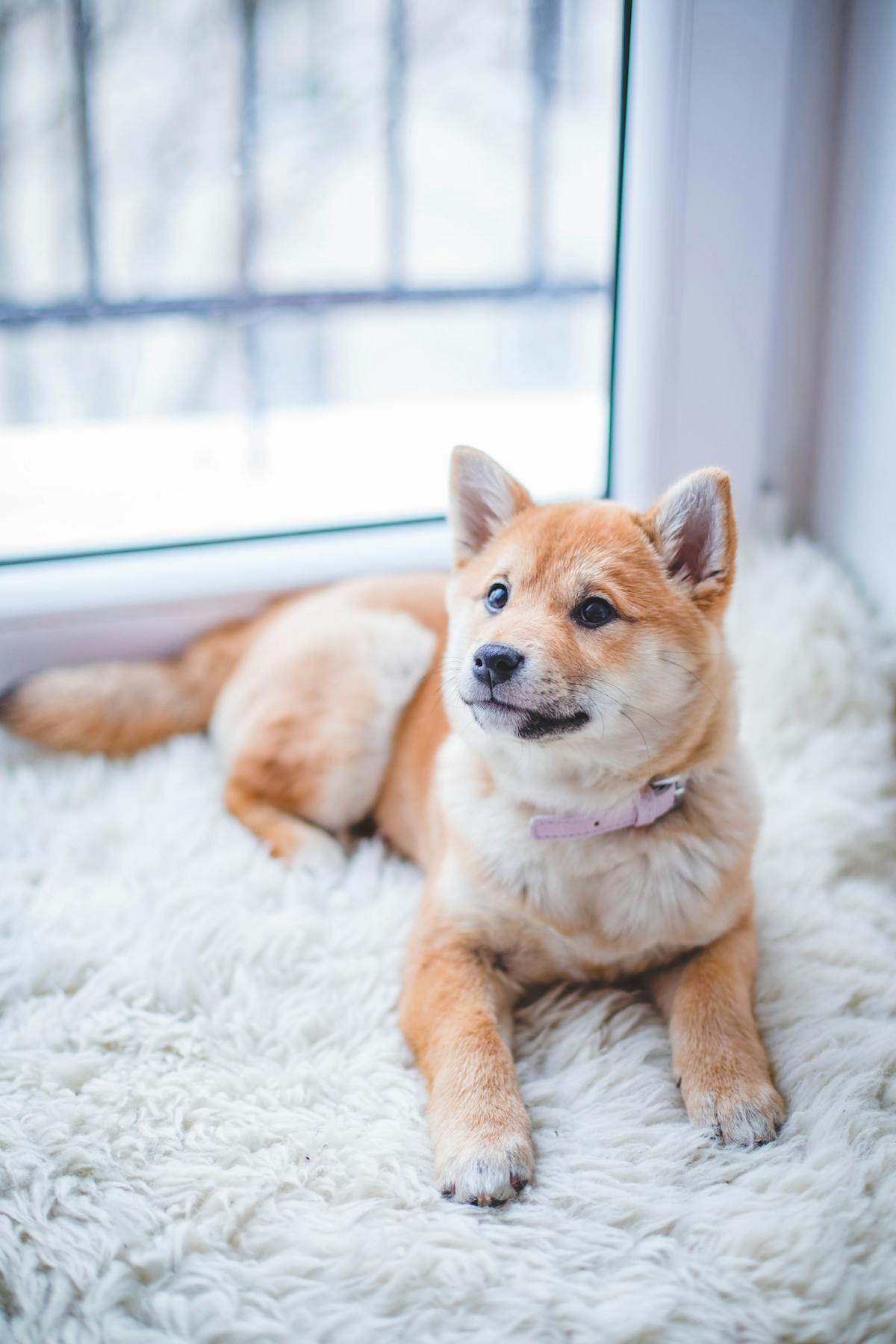
We like a simple rotation: microfiber + warm water for most wipe-downs, a mild soap for greasy spots, and an enzyme cleaner for accidents. Keep it boring and consistent — that’s what keeps smells and allergens down.
If your pet sleeps on the couch/bed: add one washable throw blanket and wash it weekly. It’s the easiest “low-tox” win for smell and dander.
If you want a quick starting kit, here are a few solid basics we reach for:
Amazon picks: enzyme pet stain & odour cleaner, HEPA air purifier filter replacements, microfiber cloths, charcoal odour absorbers.
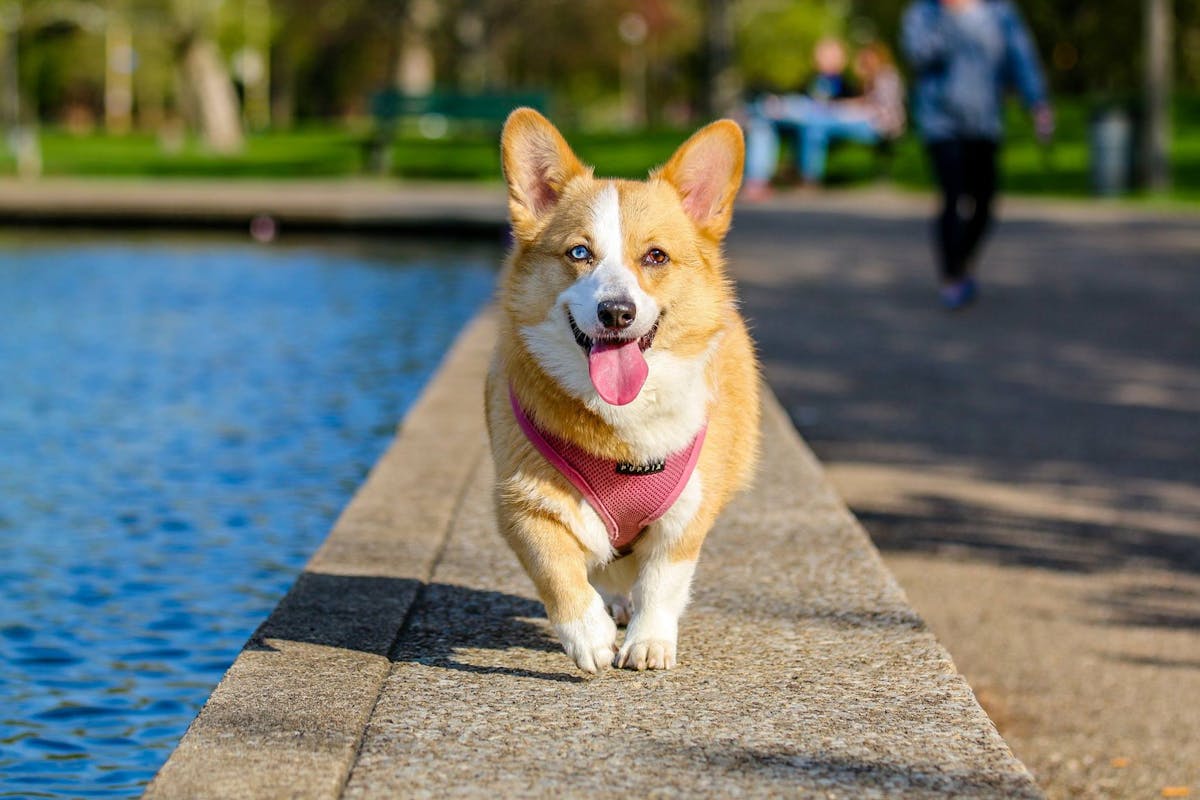
Most pet smells aren’t solved by perfume — they’re solved by removing the source (dander, wet fur, litter, old bedding). Try these instead:
If you *really* want a scented home, do it through laundry (a clean throw blanket) rather than constant air products. It’s easier to control and less intense for pets.
This is where people get tripped up. “Natural” doesn’t automatically mean pet-safe. Some essential oils can be irritating or risky, especially for cats. If you’re unsure, keep it simple: unscented, rinse well, ventilate.
Rule of thumb we use: if a product smells strong, we use less of it (or not at all) in the areas our pets spend the most time.
If you want, tell us your pet type (dog/cat/both) and your biggest pain point (odour, hair, accidents) and we’ll suggest a simple low‑tox routine to match.